
Account security matters before a player considers games, promotions or payment methods. For New Zealand adults assessing Dragonia, the practical questions are whether registration details must be accurate, when identity checks can occur, how documents should be handled and what happens if login access is lost. The information available at www.surf1020.com indicates that account access depends on verification, accurate personal information and compliance with the operator’s stated conditions. A careful approach can reduce delays and help protect both the account and personal data.
Begin with details that can withstand verification
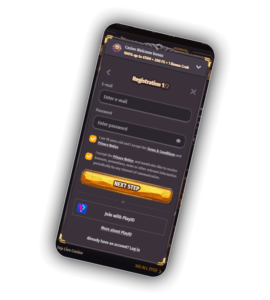
Registration should be treated as the first security checkpoint rather than a formality. The available terms require a customer to use their real name and provide accurate information. That generally means entering details consistently with official identity and address records, including the correct spelling of names, current residential information, email address and telephone number. A small mismatch can become inconvenient later if the account reaches a withdrawal or anti-fraud review.
The operator’s stated account rules also limit customers to one account per person, household or address, phone number, email address and IP address. These conditions make it unwise to create a second profile because of a forgotten password, a change of device or an incomplete first registration. Duplicate accounts may be closed, with promotional balances or winnings affected under the published terms. The safer response to an access problem is to use recovery tools or contact support.
Keeping information current is part of account protection. If an address, phone number or email changes, updating the profile promptly can help ensure that security messages and verification requests reach the right person. An account should never be transferred, sold or operated for someone else. Shared access creates uncertainty about who placed transactions and may make ownership checks more difficult. Before registering, readers should also review the operator’s current terms and confirm that the service is suitable for their location.
What can a KYC review ask you to provide?
Know-your-customer checks can cover more than a passport or driving licence. The published material says that a review may request proof of identity, age and residential address, as well as evidence that a payment method belongs to the account holder. Transaction records or source-of-funds information may also be requested. In some circumstances, phone verification or face verification can form part of the process.
These requests are designed to establish that the account belongs to a real adult, that payment activity is connected to the customer and that unusual activity can be examined. They should not be interpreted as evidence that every account will face every type of check. Requirements can vary according to the account, payment activity, risk review and information already supplied. It is sensible to read the exact request carefully and provide only the documents asked for through the stated account or support channels.
The available guidance says requested documents should be supplied within 30 days. It describes a typical review period of 24–48 hours after complete documents are received, while the general terms allow up to 10 days and further checks. Those are not guaranteed completion times. Deposits or withdrawals may be restricted until approval is complete, so verification should not be left until money is urgently needed. If a document is unclear, expired or inconsistent with the account, asking support what replacement is acceptable is safer than repeatedly uploading unsuitable files.
Protect identity documents while sending them
Identity documents contain information that can be misused beyond a gambling account. Before uploading anything, check that the request appears inside the authenticated account area or comes through a recognised support route. Avoid sending scans to an unfamiliar address, posting documents in public forums or responding to unexpected messages that demand urgent action. If the request seems unusual, independently open the official website rather than following a link in an email or message.

Use clear, readable files without covering information that the verification instruction specifically requires. At the same time, do not volunteer unrelated documents or personal details. Keep a record of what was submitted, when it was sent and which case or reference number was provided. This can make it easier to resolve a missing-document query without sending multiple copies. After uploading, log out from shared devices and remove locally saved files if other people can access the computer or phone.
Good document handling sits alongside ordinary online safety. New Zealand’s official cyber-security guidance provides broader advice about protecting accounts, recognising scams and responding to suspicious online activity. That guidance is not confirmation of any particular operator’s verification process, but its principles remain useful: use trusted channels, be cautious with unexpected requests and act quickly if credentials may have been exposed.
Make login recovery a planned process
A secure account is difficult to use if the registered email address is inaccessible. The stated recovery process uses the “Forgot password” option and sends a reset message to the registered email address. Before needing it, customers should know which email was used, keep that inbox secure and check spam or junk folders if a message does not arrive. Repeatedly entering guesses can create more confusion than using the formal recovery route.
Login credentials should remain confidential and should not be shared with friends, relatives or anyone claiming to provide technical help. A long, unique password is preferable to one reused on email, shopping or social-media accounts. Where an email provider offers extra sign-in protection, enabling it can add a valuable barrier because control of the inbox may determine whether a password can be reset. Never disclose a reset code or password in response to an unsolicited request.
For technical access problems, the available support information suggests checking the entered credentials, clearing browser cache and cookies and using the latest version of Google Chrome. Those steps may help with a stale session, but they do not prove that a message or website is genuine. If the username or registered email has been forgotten, customer support can assist according to the published information. Contacting support through the site’s recognised channels is safer than relying on search adverts or social-media accounts.
Check the account after every security event
Security should not end when verification is approved. After a password reset, unfamiliar login, changed contact detail or disputed transaction, review the account for alterations that were not authorised. Check the profile information, payment activity, pending transactions and any messages from support. If something looks wrong, change the password from a trusted device and contact support promptly, explaining what happened and when it was noticed.
Be particularly cautious if someone asks for remote access to a device, a payment-card PIN, a full password or a one-time code. Legitimate verification may require documents or confirmation, but that does not mean every person who requests sensitive information is genuine. A suspicious message should be treated as a possible phishing attempt. Do not use telephone numbers, email addresses or links supplied only in that message until they have been checked through an independent, trusted route.
Finally, understand what security controls are actually available rather than assuming that every platform offers the same options. The reviewed information confirms encryption and identity, age, payment-ownership and anti-fraud checks, but it does not provide a complete public list of configurable account controls. Customers should inspect the account interface or ask support about available protections. Account closure and self-exclusion are described as possible through support, although the conditions for closing an account and handling any remaining balance should be read carefully before requesting either action.
Questions about account verification and security
Can verification stop a withdrawal?
It can. The available terms state that identity verification must be completed before withdrawals are processed, and additional balance, payment-ownership or source-of-funds checks may cause delays. Customers should submit complete, readable documents promptly and confirm current requirements with support rather than assuming a typical review period is guaranteed.
Is a second account useful if login details are lost?
No. The stated rules allow only one account per person and related identifiers, including household or address, telephone, email and IP address. Creating another profile may create a duplicate-account issue. Use the password-recovery process or contact recognised support if the username or registered email cannot be remembered.
What should happen after a suspicious account message?
Do not reply, open unfamiliar attachments or disclose passwords and security codes. Access the account through a trusted route, review recent activity, change the password if necessary and contact official support. If payment or identity information may have been exposed, contact the relevant bank or provider as quickly as possible.

